Inside the Protect College Sports Act Passed by the Senate
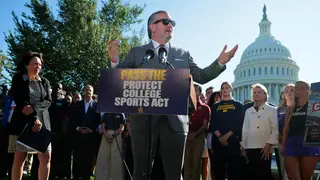
The Senate passed the Protect College Sports Act on Monday, sending it to the House for a possible vote. The bill includes federal registration and fee caps for agents representing college athletes, plus scholarship and medical protections. The article argues the legislation also contains less-publicized provisions that could reshape college sports governance and spending.
Agents would have to register with federal authorities, follow collegiate rules, and clear compliance reviews; their share of an athlete’s earnings would be capped at five percent. Scholarships could not be pulled or altered because of play, injury, or illness; only transferring or violating conduct rules would allow cancellation.
Schools would cover athletes’ out-of-pocket medical costs and extend coverage five years past graduation for athletics-related issues, with added duties around concussions, heat, and sickle cell. Media money from high-revenue sports would support women’s and Olympic programs. A $27.5M program spending cap, restrictions on booster payments, and a 19-member conference limit are also included.
College athletes, agents, universities, boosters, conferences, and fans may feel effects. Athletes could gain clearer representation and medical/scholarship safeguards, while spending limits and booster restrictions may reduce visible NIL earnings or push deals underground. Smaller or non-revenue sports might be protected by media-money requirements, but conference size caps could reshape realignment. House action may determine how quickly these changes reach campuses.