Rhine derby facts ahead of Cologne vs Gladbach
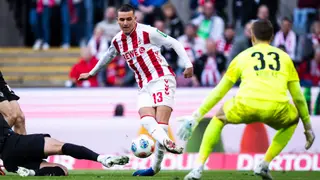
Borussia Mönchengladbach and Cologne are set to renew the Rhine derby, a rivalry between two of the region's most successful clubs. Ahead of Cologne hosting Gladbach on Sunday, the piece outlines ten notable facts about the fixture. Despite Mönchengladbach not being located on the Rhine, the match remains one of the Bundesliga's major derbies.
Cologne is the Rhine's largest city, while Mönchengladbach has no river and sits in the Lower Rhine area between the Rhine and Meuse. The clubs are the region's most decorated, with two and five Bundesliga championships respectively. Their modern rivalry dates to the 1950s, after Cologne's 1948 merger.
Hennes Weisweiler links both: he played and coached Cologne, then spent 11 years at Gladbach, guiding promotion in 1965 and developing Günter Netzer and Jupp Heynckes. He won three Bundesliga titles plus the 1975 DFB Cup and UEFA Cup, later returning to Cologne for the 1978 domestic double. In 1977/78, Cologne and Gladbach entered the final day level on points, with Gladbach needing a large win.
The Rhine derby may strengthen a shared regional identity for fans in Cologne and Mönchengladbach, while also sharpening friendly rivalries among families, friends and workplaces. A high-profile Sunday fixture could boost local hospitality, transport and media interest, and its historical narratives may draw casual viewers. For the clubs, the result could affect mood and bragging rights more than broader society, though the fixture's visibility may briefly spotlight the Lower Rhine region.