Singapore GP gets F1 heat-hazard status again
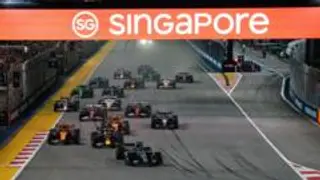
Formula 1 has designated the Singapore Grand Prix as a heat-hazard race, the fourth such declaration this season. The status allows teams to use driver cooling systems, though those who skip them must add ballast. The race is also being monitored for air quality due to regional smog.
Singapore's night race has been given heat-hazard status for the fourth time this year and for a second straight event. The label applies when race temperatures are expected to pass 31C; it was created in 2025. Officials are also watching air quality after smog from Indonesian fires, though they see no major concern.
Drivers may use a vest fed with cooled liquid from a tank and pump, often in the nose. Those declining it must add 5kg ballast. Some teams avoid the kit because keeping liquid cool for a full race is hard and the top can be uncomfortable; Mercedes chose not to run it.
The heat-hazard label may put greater focus on driver welfare and workplace safety in elite sport, potentially influencing how teams manage fatigue and cooling. It could also affect competitive balance, since ballast or cooling kit choices carry performance trade-offs. Air-quality monitoring may reassure or concern spectators, staff and local residents, while repeated designations could shape future scheduling and preparation for hot-weather races.