Herbstreit questions scheduling of weak opponents after Texas-Ohio State thriller
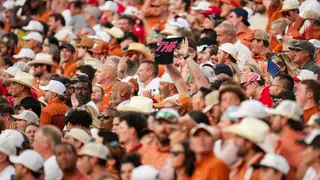
Kirk Herbstreit argued during the Texas-Ohio State game that teams should schedule elite nonconference opponents like this instead of weaker teams such as UTEP.
Kirk Herbstreit used the high-stakes Texas-Ohio State matchup as a platform to criticize the common practice of filling nonconference schedules with lower-tier programs. He suggested that marquee games like this one deliver far more value for players, fans, and the sport than lopsided contests against teams such as UTEP. His comments came during live commentary, highlighting the contrast between the intensity of a top-tier clash and the predictability of mismatched early-season games.
The debate over strength of schedule has long simmered in college football, especially as playoff selection committees weigh résumés. Herbstreit’s remarks tap into a broader push among coaches and administrators to prioritize competitive nonconference matchups, though financial incentives and home-game revenue often keep weaker opponents on the calendar. The Texas-Ohio State thriller provided a vivid example of what such scheduling can produce.
This commentary could influence how fans and athletic directors perceive nonconference scheduling, potentially accelerating a shift toward more ambitious matchups. If embraced, it may raise the quality of regular-season games, but also could strain smaller programs that rely on payday games for funding. The impact would ripple through TV ratings, recruiting, and playoff debates, though change would likely be gradual and uneven across conferences.