SpaceX Marks 80th Starlink Launch of 2026 from California
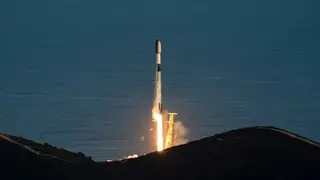
SpaceX's Falcon 9 lifted off from Vandenberg Space Force Base on September 5, carrying 27 Starlink satellites. The booster, B1088, completed its 19th mission and landed on a droneship in the Pacific. This was the 80th Starlink launch of 2026, and SpaceX has moved all such missions to the West Coast to prepare for Starship launches from Florida.
The Starlink 15-24 mission marked a notable operational shift, as SpaceX has now redirected all Falcon 9 Starlink flights to the West Coast. This move frees up Florida launch infrastructure for the upcoming Starship program, with three towers currently under construction at Kennedy Space Center and Cape Canaveral. Booster B1088's 19th flight included prior national security missions and NASA's SPHEREx, demonstrating the vehicle's extensive reuse capability.
Preparations for Starship Flight 14 are advancing, with static fire tests completed on both Ship 41 and Booster 21. Maritime and aviation hazard notices point to a possible launch window around mid-September from Starbase, Texas. The 223rd droneship landing and 659th booster recovery overall highlight the maturity of SpaceX's reusable launch system.
This launch cadence could significantly affect global internet accessibility, particularly for underserved and remote regions that rely on Starlink's expanding constellation. The shift toward Starship may lower per-satellite deployment costs and accelerate network growth, potentially reshaping competitive dynamics in broadband markets. However, increased launch frequency also raises questions about orbital congestion and space debris management, which could prompt regulatory scrutiny. Communities dependent on reliable connectivity may benefit most, while policymakers and competitors will likely watch how these operational changes unfold.