Emergency backup goalies taking on larger role in NHL workload plans
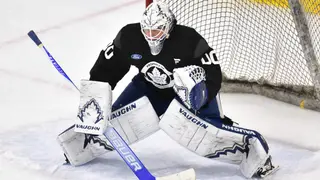
Under the new collective bargaining agreement, every NHL team must have a full-time emergency backup goalie. Some clubs are having those EBUGs travel and take practice shots so starters can avoid unnecessary wear and tear. A Daily Faceoff roundtable with Kevin Woodley, Carter Hutton, and Devan Dubnyk examined how teams like Utah have used a third goalie to keep netminders fresh and help power-play units.
Under the new CBA, clubs must carry a full-time emergency backup goalie. Some organizations now bring that player on trips and let him absorb practice shots, reducing the load on regular netminders. A Daily Faceoff roundtable featured Kevin Woodley, Carter Hutton, and Devan Dubnyk discussing this shift.
Utah used a third goalie on the road last season to face its top power-play unit while Karel Vejmelka and Vitek Vanecek completed their own drills. Dallas's Jake Oettinger described many practices as serving mainly to give teammates an NHL-caliber target, which he felt hurt his health and freshness. Woodley noted some goalies want EBUGs integrated into the rotation.
This shift could affect NHL goaltenders most directly, potentially reducing wear and injury risk while giving emergency backups more visible roles. Teams may benefit from fresher starters and more productive power-play practices, which could improve on-ice quality for fans. It may also prompt other sports leagues to reconsider how specialized reserve players are used, though the broader social impact would likely remain limited to professional hockey and its audience.