Forrest Richardson Discusses Golf's Environmental Role in New Book
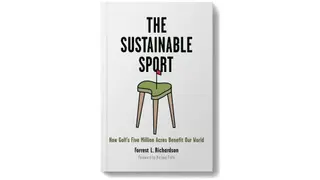
Golf course architect Forrest Richardson has written a book arguing that golf's roughly five million acres can benefit communities and the environment. In an interview, he discusses his career in course design and his goal of giving golfers clearer responses to criticisms about water use, land use, and access. The book is titled The Sustainable Sport: How Golf's Five Million Acres Benefit Our World.
Richardson’s interest in course architecture began in childhood after a neighbor named the profession. He later met Jack Snyder, a Phoenix ASGCA member, starting a 35-year friendship and many joint projects. His practice has spanned the U.S. and several international regions, including Mexico, Central America, Canada, Europe, India, and Asian Russia.
His book seeks to consolidate responses to common criticisms about golf’s water consumption, exclusivity, and land footprint. It frames sustainability around social, economic, and environmental dimensions, arguing courses function as distinctive parks that can employ workers and raise nearby property values.
The book may give golfers, course managers, and community planners shared language for debates over water, land, and access. It could influence how neighbors and local officials view courses, potentially shifting perceptions from private amenities to community and environmental assets. If its arguments gain traction, they may affect design choices, maintenance practices, and inclusion efforts. However, impact depends on whether audiences accept the framing and whether claims are supported in practice.