Oilers' Ekholm Reports Feeling Fine After Concussion, Status Uncertain
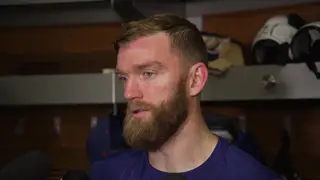
Mattias Ekholm, the Edmonton Oilers defenseman, confirmed he suffered his first-ever concussion after a hard hit during a game against Carolina. Despite feeling normal within minutes of the incident, head coach Mike Babcock has not set a return date. Ekholm skated with partner Evan Bouchard in practice, and backup Shakir Mukhamadullin continues to fill in on defense.
On October 21, 2026, Edmonton Oilers defenseman Mattias Ekholm suffered a concussion after a hard hit during a game against the Carolina Hurricanes, when his head struck the ice. Though he reported feeling normal within minutes—describing a sudden return to clarity like “flipping a light switch”—he missed the following two games and underwent concussion protocol. Despite this, Ekholm returned to practice on October 27, skating with his usual partner, Evan Bouchard, signaling progress in his recovery. Head coach Mike Babcock has not confirmed a return date for Wednesday’s Battle of Alberta, though he previously suggested Ekholm could be back in “a week or 10 days.” Backup defenseman Shakir Mukhamadullin has filled in during Ekholm’s absence, while other injured players like Jason Dickinson (nine games missed due to unrelated injuries) and Zach Hyman (injured Monday) remain sidelined. The team continues to manage a depleted roster, with Devon Levi, Matt Savoie, and Frederik Andersen also recovering from injuries.
Ekholm’s experience underscores the ongoing challenge of concussion management in elite hockey, where players often report rapid symptom resolution but must still follow strict protocols. His openness about the incident—calling it “funky” and joking about an “angel watching over me”—reflects a growing trend of player transparency, though it also highlights the tension between perceived readiness and medical caution. Babcock’s decision-making is central here: while h
Concussion incidents in professional hockey continue to raise concerns about player safety, long-term brain health, and the balance between competitive urgency and medical prudence. Ekholm’s case—where symptoms resolved quickly but protocol still applies—may influence how teams and players perceive recovery timelines, potentially encouraging early return attempts despite risks. This could affect broader NHL concussion policies, especially as leagues increasingly emphasize head injury tracking and return-to-play standards. The public nature of his comments may also shape fan perceptions, normalizing rapid recovery while subtly downplaying danger, which could impact player behavior or medical reporting. A comparable case is Sidney Crosby’s 2011 concussion, which led to widespread scrutiny of NHL protocols and long-term health monitoring. In Ekholm’s situation, the next key development will be whether Babcock allows him to play despite incomplete public data—this could signal a shift in h