Xabi Alonso Set for Third Anfield Clash Amid Chelsea's Managerial Turmoil
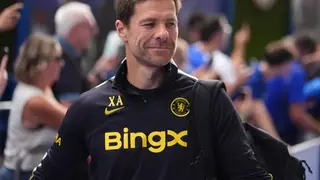
Xabi Alonso is preparing for his third managerial encounter with Liverpool at Anfield, highlighting the ongoing instability at Chelsea, which has seen eight different managers in just six years. The fixture underscores the contrast between Liverpool’s consistency and Chelsea’s frequent leadership changes. Alonso’s return to Anfield adds a personal dimension to the upcoming Premier League clash.
Xabi Alonso is set to face Liverpool at Anfield for the third time in his managerial career, marking a significant personal milestone in what has become a recurring fixture in the Premier League. This upcoming clash highlights the stark contrast between Liverpool’s stability and Chelsea’s persistent managerial instability, which has seen eight different managers appointed within just six years. The match takes place at Anfield, one of football’s most iconic venues, adding emotional weight to Alonso’s return as a manager. His previous encounters with Liverpool in this role have occurred under evolving circumstances, each time reinforcing the narrative of his growing influence and the challenges he faces managing a club in flux.
The backdrop to this fixture is Chelsea’s ongoing leadership turmoil, which has become a defining feature of the club’s recent history. While Liverpool continues to operate with consistent management and strategic direction, Chelsea’s frequent managerial changes reflect deeper structural issues within the club’s ownership and decision-making processes. Alonso, who once played for Liverpool as a player, now leads a team that is striving to regain its former prominence amid constant upheaval. His personal connection to Anfield adds emotional resonance to the match, making it more than just a competitive fixture—it’s a symbolic moment in his managerial journey.
What remains unresolved is how this clash may impact Chelsea’s season-long trajectory and whet
The fixture between Xabi Alonso’s Chelsea and Liverpool at Anfield underscores broader concerns about institutional stability in elite football. Clubs with frequent managerial changes often struggle with inconsistent tactics, disrupted team cohesion, and diminished player morale—factors that can ripple through youth development, fan engagement, and sponsorship confidence. Chelsea’s pattern of leadership turnover may serve as a cautionary tale for other clubs relying on short-term fixes rather than long-term planning. This situation could influence investor behavior, with stakeholders potentially demanding more transparency in decision-making processes. A comparable case is Manchester United’s turbulent period under multiple managers in the early 2010s, which coincided with declining performance and eroded fan trust. While not identical, both scenarios highlight how leadership instability can undermine a club’s identity and competitiveness. The outcome of this match may not directly al