The Significance of Der Klassiker: Why Bayern vs. Dortmund Captivates Global Football
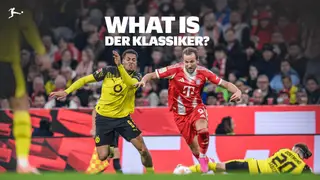
Der Klassiker, the clash between Bayern Munich and Borussia Dortmund, stands as one of football’s most significant fixtures despite lacking traditional derby roots. Unlike rivalries rooted in politics or religion, this contest is defined by dominance and competition for domestic supremacy, with both clubs collectively winning 28 of the last 33 Bundesliga titles. The match has evolved into a global spectacle, symbolizing the battle between Germany’s two most successful teams over decades of elite performance.
The Klassiker between Bayern Munich and Borussia Dortmund has evolved into a defining fixture in German football despite lacking traditional regional or cultural roots. Unlike rivalries such as Real Madrid vs. Barcelona or Rangers vs. Celtic, which are fueled by politics, religion, or geography, this contest is rooted in sustained on-field dominance and the pursuit of domestic supremacy. Between 1963 and 2026, the two clubs have collectively won 28 of the last 33 Bundesliga titles, with Bayern dominating much of that period. Early encounters were heavily one-sided: Bayern recorded an 11-1 victory in the 1970s, a match that underscored the imbalance. Dortmund’s rise began in earnest under coach Ottmar Hitzfeld, who took charge in 1991 after a poor 10th-place finish the prior season. His impact was immediate—Dortmund finished second in 1991–92, defeating Bayern 3-0 at home and away, and went on to win back-to-back Bundesliga titles in 1994–95 and 1995–96, finishing six points ahead of Bayern both times. This marked a turning point, shifting the rivalry from a one-sided contest into a genuine battle for supremacy. The clubs’ histories reflect divergent trajectories: Bayern’s European success began with their 1975 UEFA Cup Winners’ Cup win, while Dortmund claimed their first European title in 1966. The modern Klassiker is now a global spectacle, symbolizing elite performance and the ongoing struggle between Germany’s two most successful clubs. What remains unresolved is whether B
The Klassiker's significance extends beyond sport, influencing fan culture, media coverage, and commercial interests across Europe and beyond. As one of the most-watched Bundesliga fixtures globally, it drives ticket sales, broadcasting rights, and merchandise revenue for both clubs, reinforcing their status as elite brands. The match’s appeal lies in its narrative of sustained competition rather than cultural division, offering a model of rivalry based on excellence and ambition—potentially influencing how other leagues frame high-stakes matchups. Comparable to the French Classique between PSG and Marseille, it demonstrates how domestic dominance can create enduring rivalries even without historical or social roots. The impact may ripple into youth development, as clubs like Bayern and Dortmund use these fixtures to showcase their academy products on a global stage. What could emerge next is increased investment in digital fan engagement platforms, especially as younger audiences cons