Arch Manning’s Future in Doubt Amid Struggles and Transfer Rumors
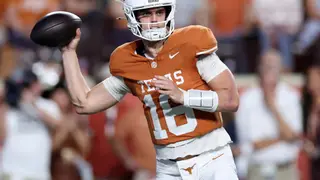
Quarterback Arch Manning’s performance in a crucial game against Ole Miss has intensified speculation about his future, with reports suggesting he may not return to Texas or enter the NFL draft. His inconsistent play, including a critical interception under pressure, has fueled debate over his readiness for the next level. The situation reflects broader concerns about his development and long-term trajectory.
On October 29, 2026, during a crucial home game against Ole Miss at Darrell K Royal–Texas Memorial Stadium in Austin, Texas quarterback Arch Manning faced mounting scrutiny after a series of high-stakes errors, including a critical interception late in regulation that nearly cost the Longhorns the game. Despite Texas winning in overtime, Manning’s performance highlighted a troubling pattern: flashes of elite-level arm talent and poise—evident in two touchdown throws against Ole Miss and Oklahoma—were repeatedly undermined by poor decision-making under pressure, such as forcing deep passes into tight coverage. These mistakes echoed earlier struggles, including a pivotal interception against Oklahoma in the Red River Rivalry, which contributed to a loss that dented Texas’s season momentum. The contrast between Manning’s moments of brilliance and his lapses has fueled speculation about his future, with reports suggesting he may not return to Texas for his final year of eligibility or enter the 2027 NFL Draft. His draft stock, once projected as the top pick in pre-season mock drafts, has slipped, now trailing rising prospect Drew Mestemaker. The debate centers on whether Manning’s struggles stem from systemic issues—such as a restrictive offensive scheme at Texas—or personal developmental hurdles. Former college quarterback and ESPN analyst Jordan Palmer has argued that Texas’s play-calling fails to allow Manning to operate as a true quarterback, limiting his growth. If Manning d
The uncertainty surrounding Arch Manning’s future reflects broader societal anxieties about elite college athletes and their long-term viability in professional sports. As a high-profile prospect from a prominent football family, his struggles amplify public scrutiny of how athletic development is evaluated, particularly when expectations are sky-high. If Manning chooses to transfer or delay the NFL draft, it could reshape perceptions of college football’s role as a proving ground versus a developmental pipeline. This situation may influence how other top recruits assess their college choices—prioritizing offensive systems and quarterback development over brand recognition. A comparable precedent is Kyler Murray’s 2018 decision to return to Oklahoma after a strong freshman season, which ultimately enhanced his draft stock. Manning’s path could follow a similar arc if he finds a better fit, but the risk remains that continued inconsistency may permanently damage his NFL prospects. The r