Flick and Barça Board at Odds Over De Jong's Future Amid Squad Rotation Disputes
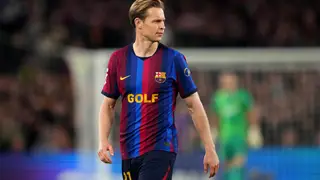
Tensions are emerging between FC Barcelona manager Hansi Flick and the club’s board regarding Frenkie de Jong’s role in the midfield. While the board favors promoting younger players like Pedri, Gavi, and Marc Bernal, Flick continues to advocate for De Jong’s inclusion, even experimenting with him in unconventional positions. The dispute reflects broader disagreements over long-term squad planning and player usage.
FC Barcelona manager Hansi Flick and the club’s board are locked in a public-facing dispute over the role of midfielder Frenkie de Jong, whose return from a knee injury has reignited tensions. De Jong played as a substitute in Barcelona’s LaLiga clash against Real Madrid on October 25, 2026, at Spotify Camp Nou—his first appearance since the injury sustained during the FIFA World Cup while representing the Netherlands. The club’s leadership reportedly disapproved of his decision to play through the injury and skip surgery, opting instead for conservative treatment that allowed a return by late October. Meanwhile, Barcelona has invested heavily in Rodri, widely regarded as one of the world’s top midfielders, and already has established young talents like Pedri, Gavi (22), and Marc Bernal (19) in the squad rotation. The board appears to favor developing youth, pushing for younger players to take precedence over De Jong, who is 29. Flick, however, continues to advocate for De Jong’s inclusion, even experimenting with him in advanced midfield roles and, reportedly, training him as a central defender—indicating a belief in his versatility and value despite age and injury history. While the manager holds final authority on team selection, the board may still consider selling De Jong, signaling a deeper rift over long-term squad planning.
This conflict reflects broader tensions in elite football between short-term tactical needs and long-term strategic vision. The situation could affect player morale, especially among younger talents like Gavi and Bernal, who may feel their development is being undermined by the presence of an older, high-profile player. It also raises questions about club governance: when should a manager’s on-field authority override board decisions on player rotation? A comparable case is the 2018 dispute at Manchester United between José Mourinho and the board over Paul Pogba’s role, which contributed to instability and eventual managerial change. Here, the outcome may influence how Barcelona balances legacy players with youth investment—a critical issue for a club aiming to remain competitive while rebuilding financially. The situation could also impact transfer markets, as De Jong’s uncertain future may attract interest from clubs seeking a versatile midfielder at a lower cost than Rodri. What rem