Flick Turns to Youth as Kounde Injury Deepens Defensive Crisis
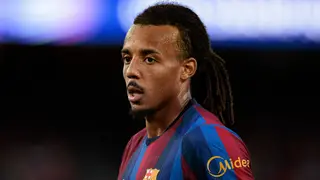
Jules Kounde is set to miss Barcelona’s match against Alaves due to a persistent ankle sprain, further straining the team’s defensive options. With several key defenders injured, manager Hansi Flick has called up young right-back Guillem Victor for training to assess his readiness. The move signals a shift toward youth integration amid an ongoing injury crisis in the backline.
Jules Kounde, Barcelona’s French right-back, is set to miss the upcoming La Liga match against Alaves due to a persistent ankle sprain, marking his continued absence from training and game-day availability as of October 29, 2026. The injury has left manager Hansi Flick with limited defensive options, especially after key players Andreas Christensen, Eric Garcia, and Xavi Espart remain sidelined. In response, Flick has called up Guillem Victor, a right-back from Barcelona Atletic, to train with the first team ahead of the Alaves fixture. This move signals a strategic shift toward integrating youth into the senior squad amid an escalating injury crisis in the backline. Alex Campos was also seen training with the first team, indicating he may be considered for selection as well. The match comes on the heels of Barcelona’s recent defeat to Real Madrid, adding urgency to their need for defensive stability and performance.
The situation reflects a broader pattern of squad strain at Barcelona, where injuries have forced tactical adjustments and raised concerns about depth. Flick’s decision to bring in younger players like Victor underscores a pragmatic response to immediate needs rather than long-term planning. The club’s hierarchy likely wants to maintain competitiveness while evaluating emerging talent under real match conditions. However, the lack of experienced defenders could impact defensive cohesion during high-stakes games. What remains unresolved is whether Victor will be
Barcelona’s reliance on young players due to injuries could signal a broader trend in elite football where clubs increasingly turn to academy talent during crises, potentially reshaping long-term squad planning. This shift may affect how fans perceive team stability and performance, especially when youth players are thrust into high-pressure matches without sufficient experience. The wider impact extends to player development systems across Europe, as other clubs may scrutinize Barcelona’s approach to see if integrating young talent under duress yields sustainable results or risks long-term reputational damage. A comparable case is Manchester United’s 2019–2020 season, when injuries and squad turnover led to the promotion of academy players, sparking both short-term hope and long-term scrutiny over recruitment and depth. In Barcelona’s case, the pressure to perform while managing youth integration could influence transfer strategies, fan engagement, and even sponsorship perceptions. Wh