Russia Reenters IIHF Tournaments After CAS Ruling, Sparking Global Reaction
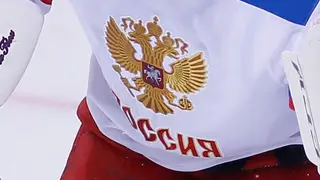
The Court of Arbitration for Sport has ruled that Russia can immediately participate in IIHF competitions, marking its return to the World Junior Championship this season. National federations including Finland, Germany, and the Czech Republic have issued statements expressing concern, with some indicating support for players who may opt out of competing against Russian teams. The decision has ignited debate over political implications, with nations like Canada and the U.S. expected to soon announce their stance on participation.
On October 30, 2026, the Court of Arbitration for Sport (CAS) issued a ruling permitting the Russian Ice Hockey Federation to immediately rejoin IIHF competitions, marking Russia’s return to international play after a period of exclusion. The first major event in this comeback is the upcoming IIHF World Junior Championship, where Russian teams will now participate. This decision has triggered immediate reactions from several national federations, including Finland, Germany, and the Czech Republic, all of which have released public statements expressing concern. While none have outright announced boycotts, Finland emphasized its support for individual players who may choose not to compete against Russia due to personal or political reservations. The ruling effectively overrides previous bans that stemmed from geopolitical tensions following Russia’s actions in Ukraine, which had led to its suspension from international sports events. The decision now forces a test of principle: whether athletic competition can remain separate from global politics, especially when the host nation is perceived as an aggressor in recent conflicts.
The situation has drawn attention from major hockey powers like Canada and the United States, both of which are expected to soon announce their positions on participation. While the IIHF has accepted the CAS ruling, its stance remains cautious, with no official statement on whether it will enforce participation or allow opt-outs. The broader context in
The return of Russia to IIHF competition may deepen divisions within the international hockey community, particularly between nations with strong historical ties to democratic alliances and those with more pragmatic sporting priorities. Players, especially young athletes from countries directly affected by geopolitical tensions, could face moral dilemmas that impact their mental health and team cohesion. The decision may also influence sponsorship and broadcasting decisions, as media outlets and sponsors weigh public sentiment against the commercial value of high-profile tournaments. A comparable precedent is the 2022 Olympic ban on Russian athletes under a neutral flag, which sparked widespread debate over whether sport should be politicized. While that case allowed individual athletes to compete without national representation, this situation involves full team participation, raising the stakes. The long-term impact could include shifts in player recruitment, with some athletes choos