Nick Saban names LSU a dark horse for College Football Playoff title
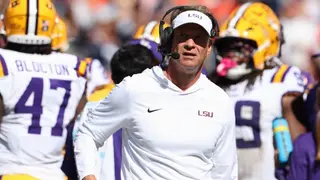
Legendary coach Nick Saban has identified LSU as a surprising contender for the College Football Playoff, calling them a sleeper team with championship potential. Despite being ranked No. 15 in the latest polls, Saban believes the Tigers could make a deep run. His endorsement highlights under-the-radar teams that could rise as the season progresses.
Legendary college football coach Nick Saban has publicly identified LSU as a dark horse contender for the College Football Playoff, surprising many given the team’s current No. 15 ranking in the national polls. Despite their mid-tier placement, Saban emphasized the Tigers’ hidden potential, suggesting they could make a deep postseason run. His assessment comes at a pivotal moment in the season when rankings and momentum are shifting rapidly, and his endorsement adds weight to LSU’s case as an under-the-radar team with championship aspirations. The statement underscores how even teams not traditionally seen as favorites can gain traction through strong performances and strategic development.
Saban’s credibility as a former national champion coach and long-time figure in college football lends significant influence to his evaluation. His past decisions, particularly at Alabama, have shaped modern coaching strategies and playoff expectations, making his current commentary noteworthy. By highlighting LSU, Saban may be signaling that the path to the Playoff is not solely determined by preseason rankings or historical dominance. The Tigers’ current roster and coaching staff—though not detailed here—may now benefit from increased national attention, which could affect recruiting, fan engagement, and media coverage.
The broader context includes the evolving nature of the College Football Playoff system, where unpredictability has become a hallmark. Teams like LSU, once overlooked,
Saban’s endorsement of LSU as a playoff dark horse could shift public perception and media narratives around team potential, particularly for programs not ranked highly in early-season polls. This may influence fan engagement, ticket sales, and sponsorship interest for mid-tier teams, especially those with strong coaching or emerging talent. The broader college football ecosystem—recruiting, betting markets, and broadcast scheduling—may respond to such high-profile endorsements by adjusting expectations and allocating more attention to overlooked programs. A comparable precedent exists in 2015, when a similar underdog narrative helped propel the Ohio State Buckeyes into the playoff despite early skepticism. That case demonstrated how expert opinion can alter momentum. In this instance, Saban’s voice may amplify LSU’s visibility without guaranteeing success. What could follow is increased scrutiny of other unranked or low-ranked teams, potentially reshaping how analysts evaluate season