Coach confirms dual quarterback availability for Georgia matchup
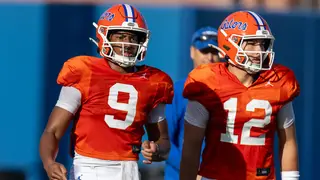
Head coach Jon Sumrall confirmed a realistic possibility that both Aaron Philo and Tramell Jones could play in the upcoming game against Georgia. Though both were listed on the injury report, Philo is expected to start, while Jones may also see significant playing time. The development adds depth and uncertainty to the team’s offensive strategy.
Head coach Jon Sumrall confirmed that both Aaron Philo and Tramell Jones are expected to be available for the upcoming college football game against Georgia, marking a notable development in the team’s quarterback situation. Though both players were previously listed on the injury report, Philo is projected to start, while Jones may also see substantial playing time. This dual availability introduces a new dynamic to the offense, potentially allowing for strategic flexibility or even a rotation system depending on game flow and matchups. The game is set to take place in Athens, Georgia, at Sanford Stadium, a venue known for its intense atmosphere and high stakes in SEC competition.
The situation arises from earlier concerns about quarterback depth following injuries that had limited options during the season’s early stretch. Prior reporting had highlighted the team’s reliance on Philo as the primary signal-caller, with Jones sidelined or limited in practice. Sumrall’s confirmation now signals a shift toward greater offensive versatility, possibly reflecting confidence in both players’ recovery and readiness. The coaching staff may be weighing risk versus reward—using Jones to counter Georgia’s defensive schemes or preserve Philo’s health in a high-pressure environment.
The team’s strategy remains fluid, with no official announcement on playing time distribution. What is not yet known includes whether the coaches will adopt a two-quarterback system, how Jones’ role will be d
The potential dual quarterback use against Georgia could signal a broader trend in college football toward greater quarterback versatility and strategic risk-taking. As programs face increasing pressure to maximize talent and adapt to evolving defensive schemes, the ability to deploy multiple quarterbacks may become more common, especially in high-stakes matchups. This development may influence how other teams manage injuries and rotations, particularly in conferences like the SEC where depth is critical. The impact extends beyond the field—coaches may reconsider roster construction and training regimens to prepare backups for meaningful roles. Fans and analysts could begin valuing quarterback depth more highly when evaluating team strength. A comparable precedent exists in the 2017 Alabama vs. Georgia game, where Jalen Hurts’ dual role under Nick Saban sparked debate over backup utility. While not identical, it illustrates how such decisions can shape narratives and outcomes. What t