Frondell Shines in Blackhawks' Overtime Heartbreak Against Bruins
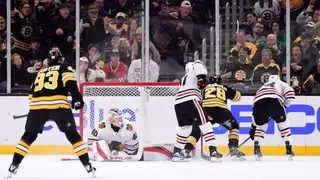
Anton Frondell broke his scoring drought with two goals and a strong all-around performance as the Chicago Blackhawks pushed the Boston Bruins into overtime. Despite 41 shots and a late breakaway goal by Connor Bedard, Chicago couldn’t hold on after Arvid Soderblom allowed a last-second overtime winner. The game highlighted Frondell’s growing impact and the team’s need for consistent offensive execution.
On October 31, 2026, the Chicago Blackhawks hosted the Boston Bruins in a Halloween matinee at TD Garden, falling 4-3 in overtime despite a strong offensive showing and a standout performance by rookie Anton Frondell. Frondell, who had gone without a goal since early October, broke his drought with two goals—his first coming on a power play just ten seconds into the first period—and recorded nine shots, 13 shot attempts, and 27 shifts, significantly more than his 14 against Detroit the previous Thursday. Patrick Kane notched his 900th career NHL assist on Frondell’s opening goal, becoming the 21st player in league history to reach that milestone. The Blackhawks recorded 41 shots on goal—well above their previous high of 28—and Connor Bedard scored a breakaway goal late in the third to give Chicago a two-goal lead, only for Boston to tie with under 15 seconds remaining and Elias Lindholm to score the overtime winner. Arvid Soderblom, the team’s goaltender, allowed the decisive goal despite a strong effort. The loss extended Chicago’s road winless streak and left them with a 4-9-1 record—the second-worst in the NHL—despite having a roster of young talent including Frondell, Bedard, and others. This performance comes after a poor showing against Detroit and amid growing scrutiny over head coach Jeff Blashill’s management, especially given the underperformance of high-priced defenseman Bowen Byram, who remains sidelined with injury. The Blackhawks’ front office, which traded for
The Blackhawks’ continued struggles highlight broader concerns about organizational decision-making in professional sports, particularly when high-stakes trades and long-term rebuilding plans fail to deliver expected results. Frondell’s emergence offers a glimmer of hope for the future, but his individual success cannot compensate for systemic issues—such as poor defensive depth and coaching continuity—that are undermining team performance. The public scrutiny surrounding Blashill’s tenure may accelerate potential management changes, especially if the team fails to improve before American Thanksgiving, when fan frustration could peak. Comparable cases include the Toronto Maple Leafs’ prolonged rebuild under Mike Babcock, where talent was present but leadership failed to translate into results. In this context, the Blackhawks’ situation could influence how other franchises approach rebuilding—balancing youth development with short-term competitiveness. The impact extends beyond Chicago: