Flick Puts Unconventional Defensive Duo on the Pitch Amid Injury Crisis
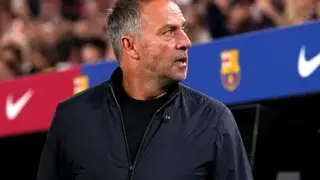
Barcelona manager Hansi Flick confirmed that Brian Farinas and Frenkie de Jong would start in unfamiliar defensive roles due to multiple injuries in the backline. Flick expressed confidence in both players, emphasizing the importance of securing victory against Alavés to stay in contention for the La Liga title. The tactical shift highlighted Barcelona’s depth issues but also their adaptability under pressure.
Barcelona manager Hansi Flick has made a bold tactical adjustment ahead of their La Liga clash against Alavés on October 31, 2026, at Camp Nou, starting midfielder Brian Farinas at right-back and playmaker Frenkie de Jong in central defence. This unusual lineup stems from a severe injury crisis affecting Barcelona’s backline, with Eric Garcia, Andreas Christensen, Jules Kounde, and Xavi Espart all sidelined. Flick confirmed the decision in a pre-match press conference, emphasizing that both players had volunteered and were mentally prepared for their new roles despite lacking positional experience. The move underscores Barcelona’s diminished defensive depth but also reflects Flick’s emphasis on adaptability under pressure. With recent losses to PSG in the Champions League and Real Madrid in La Liga, victory against Alavés is deemed “absolutely crucial” to maintain title ambitions, as a win would displace Atlético Madrid at the top of the table following their earlier win over Levante. The team’s current standing places them in a tight race with Real Madrid and Real Betis for the La Liga crown.
The situation highlights the fragility of elite football squads when key personnel are unavailable, forcing managers to stretch player roles beyond traditional boundaries. Flick’s decision reflects both necessity and confidence in his squad’s versatility, built through training sessions that simulated non-standard positions. The players involved—Farinas and de Jong—are central figures
Barcelona’s decision to deploy midfielders in defensive roles could signal a broader trend in elite football where squad depth and injury management are increasingly central to competitive survival. While such moves may temporarily preserve competitiveness, they risk long-term player fatigue and increased injury likelihood—particularly for players not trained for physical duels or positional discipline. The impact extends beyond the pitch: fans may grow concerned about over-reliance on tactical improvisation, potentially affecting morale and commercial perception. Clubs with deeper squads may gain a competitive edge in sustainability, while smaller teams could struggle to match such flexibility. A comparable precedent exists in 2019 when Manchester City faced a similar defensive crisis under Pep Guardiola, leading to temporary role shifts that sparked debate over player safety and tactical integrity. In Barcelona’s case, the outcome may influence how leagues assess squad depth requirem