Florida State Leadership Cites Fan Input in Coaching Change Decision
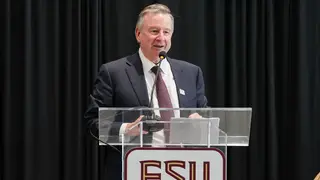
Florida State University President Richard McCullough revealed that the decision to fire head football coach Mike Norvell was influenced by feedback from fans and social media following a loss to Clemson. The move comes after sustained pressure on the program's performance and leadership. McCullough emphasized the institution’s responsiveness to public sentiment in making the abrupt coaching change.
Florida State University President Richard McCullough announced the termination of head football coach Mike Norvell following a loss to Clemson, citing fan and social media feedback as a key factor in the decision. The abrupt coaching change underscores growing institutional responsiveness to public sentiment, particularly in high-profile athletic programs where performance expectations are intense. While specific dates or win-loss records are not detailed, the move follows sustained pressure on the program’s performance and leadership, suggesting a pattern of underachievement that culminated in this action. The decision was made by university leadership, with McCullough emphasizing that fan input played a direct role in shaping the outcome.
The context for this change includes ongoing scrutiny of college football programs’ accountability, especially at institutions where athletic success is tied to institutional prestige and financial support. Prior reports have highlighted mounting dissatisfaction among fans and alumni, particularly after losses to key rivals like Clemson, which may have intensified calls for leadership reform. The involvement of social media indicates a shift in how universities gauge public opinion, potentially altering traditional decision-making processes that once relied more heavily on internal evaluations. Mike Norvell, who led the team through multiple seasons, is now out, though his tenure’s full record and specific contributions are not detailed
The decision by Florida State to replace its head coach based on fan sentiment may reflect a broader trend in college athletics where public opinion increasingly shapes institutional decisions. This could affect how universities balance autonomy with accountability, potentially leading to more reactive leadership changes rather than long-term strategic planning. Fans and alumni may feel empowered by this outcome, but it also raises concerns about the stability of coaching positions and the potential for short-termism in athletic programs. The move may influence other schools to monitor social media sentiment more closely, possibly altering how athletic departments engage with their communities. A comparable case is the 2015 firing of University of Michigan’s head football coach Brady Hoke amid fan pressure, which similarly highlighted the role of public perception in coaching decisions. However, unlike that instance, Florida State’s move appears to be more explicitly tied to real-time