Florida State Begins Search for New Head Coach with List of Top Contenders
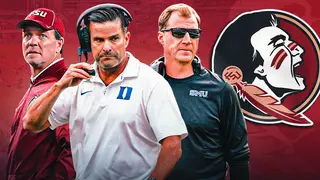
As Florida State moves forward after firing Mike Norvell, the program has begun evaluating top candidates to lead the team. The search is expected to attract high-profile names given the program’s history and resources. While details remain under wraps, early speculation centers on experienced coaches with strong track records in rebuilding programs.
Florida State University has initiated a search for a new head football coach following the termination of Mike Norvell, whose tenure ended without a specified date or official announcement. The program is now evaluating top candidates to lead the team forward, with early speculation focusing on experienced coaches known for revitalizing struggling programs. While no names have been publicly confirmed, the search is expected to draw high-profile interest due to Florida State’s storied history, national recognition, and financial resources. The transition comes after a season or seasons that may have fallen short of expectations, though specific performance metrics are not detailed in the available information.
The decision to part ways with Norvell reflects a broader trend in college football where athletic departments prioritize results over tenure, especially when programs fail to meet competitive benchmarks. This move underscores the pressure on head coaches at major schools to deliver consistent success, particularly in high-profile conferences. The search process involves Florida State’s athletic leadership and possibly a search committee, though their composition remains undisclosed. The university’s desire for stability and improvement likely drives the urgency to appoint a coach with proven ability to rebuild culture and performance.
What remains unknown includes the exact reasons behind Norvell’s departure, the timeline for hiring a replacement, and whether interim
The departure of a head coach at a program like Florida State could ripple through college sports by reinforcing the volatility of leadership roles at major institutions. Fans, alumni, and student-athletes may experience uncertainty, potentially affecting recruitment and team morale. The search for a new coach may also impact related markets—such as ticket sales, merchandise, and media coverage—especially if the transition is prolonged or marked by public speculation. Comparable to the 2018 firing of Jim Harbaugh at Michigan, which sparked widespread debate over coaching tenure and performance expectations, this situation could reignite conversations about how athletic departments balance accountability with long-term development. The broader implication may be a continued trend toward short-termism in college football, where coaches are replaced more frequently based on immediate results. This could influence how young athletes perceive career stability and how programs approach play