Larkin’s Trade Standoff with Red Wings Enters Critical Phase
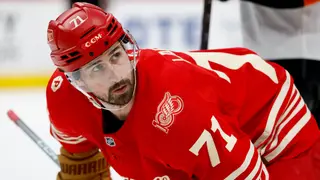
Dylan Larkin remains suspended by the Detroit Red Wings after refusing to play, holding out for a trade despite being the team’s former captain. His camp insists he will not play unless traded, while the organization maintains its stance. With a December 1 deadline looming for him to sign or lose playing rights, speculation grows over whether either side will yield before U.S. Thanksgiving. The Red Wings are reportedly evaluating multiple trade options, including interest in Simon Edvinsson.
Dylan Larkin, former captain of the Detroit Red Wings, remains suspended by the team after refusing to play, marking a pivotal moment in a growing standoff that has drawn national attention. As of November 4, 2026, Larkin has not appeared in a game for Detroit despite being under contract, with his camp insisting he will not return unless traded. The Red Wings have maintained their position, refusing to accommodate his trade request, while simultaneously evaluating multiple trade options, including interest in defenseman Simon Edvinsson. A formal deadline looms: Larkin must either sign a contract by December 1 or forfeit his right to play for the remainder of the season. This timeline adds urgency, with league insiders suggesting that U.S. Thanksgiving—approximately three weeks away—may be the critical inflection point where one side relents. Prior reporting, including commentary from Elliotte Friedman, had hinted at an expected adjustment around this time, but both parties have so far dug in. Larkin’s trade list is reportedly limited to 10 teams, and while some franchises like Montreal, Buffalo, and Boston are being considered, others are waiting to see if he will broaden his preferences. The Red Wings’ front office appears divided between pursuing Larkin’s departure or retaining him, though recent signals suggest a shift toward Edvinsson as a potential trade asset.
The standoff between Larkin and the Red Wings could reshape team dynamics in the NHL’s Eastern Conference, particularly if Detroit trades away a high-profile player during a rebuild phase. If Larkin is moved, it may signal a broader shift in how franchises handle star players who resist playing under current conditions—potentially setting a precedent for future holdouts or trade demands. The situation also highlights the growing influence of player agency in modern hockey, where personal preferences and career trajectory can override team loyalty. A comparable case is the 2017 trade of Rick Nash from the Columbus Blue Jackets, which involved similar tensions over playing location and contract terms, though Nash was not suspended. This current scenario may prompt other teams to reassess how they manage star players with leverage, possibly leading to more rigid trade lists or earlier negotiations. What remains uncertain is whether Larkin’s camp will entertain offers outside his current l