Indiana's Cignetti Criticizes CFP Bias Toward SEC Over Big Ten
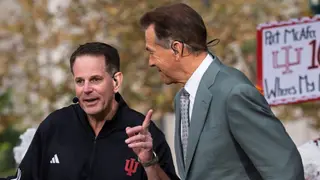
Indiana head coach Curt Cignetti publicly challenged the College Football Playoff rankings, arguing that the SEC receives disproportionate favoritism compared to the Big Ten. He specifically cited ESPN’s coverage as amplifying this imbalance in team evaluations. The comments reflect growing frustration among non-SEC coaches about perceived media and ranking biases.
Indiana head coach Curt Cignetti has publicly criticized the College Football Playoff (CFP) selection process, asserting that teams from the Southeastern Conference (SEC) are receiving preferential treatment over those from the Big Ten Conference. His remarks come amid ongoing debates about the fairness of the current playoff rankings, with Cignetti specifically pointing to ESPN’s media coverage as a factor that may skew evaluations in favor of SEC programs. While no specific rankings or dates were mentioned, his comments highlight a broader concern among non-SEC coaches about systemic bias in how teams are assessed and promoted within the selection framework. The criticism is part of a growing sentiment among Big Ten representatives who feel their conference’s achievements are undervalued compared to the SEC's consistent presence in the playoff.
The background for this tension includes years of dominant SEC performance, particularly in recent seasons, which has led to increased media attention and perceived institutional favoritism. ESPN, as a major broadcaster of college football, plays a significant role in shaping public perception through its analysis and programming, potentially influencing both fans and selection committee members. Cignetti’s comments reflect a deeper frustration among coaches outside the SEC who believe that conference strength is being measured not just by on-field results but also by media narrative and historical prestige. The Big Ten, while compe
Cignetti’s critique could amplify existing tensions between power conferences and mid-tier programs, potentially affecting how fans perceive fairness in college football’s postseason structure. If perceived bias becomes a recurring narrative, it may erode trust in the CFP system among teams, alumni, and viewers outside the SEC. This could impact viewership dynamics, with non-SEC fans feeling alienated by what they see as an overrepresentation of SEC teams in national coverage. The broader market for college football broadcasting rights may also be influenced if sponsors or networks begin to question the balance of exposure. A comparable precedent is the long-standing debate over the BCS system, which faced similar accusations of favoring certain conferences and was eventually replaced due to widespread criticism. While the current CFP model is more inclusive, the perception of bias persists, especially when media narratives amplify outcomes. What to watch for next is whether other coa