Kimi Antonelli narrowly avoids race retirement to clinch F1 title in Mexico
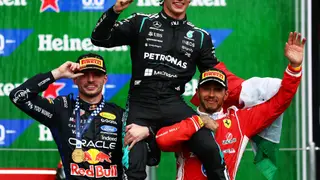
Kimi Antonelli secured his first Formula 1 World Championship with a third-place finish at the Mexico City Grand Prix, overcoming a near-fatal engine failure that left oil leaking from the car's sump. Mercedes Deputy Team Principal Bradley Lord revealed that Antonelli was on the verge of retiring the car due to engine struggles but managed to hold on for the podium. His decisive overtake on Charles Leclerc in Turn 1, executed under pressure, proved pivotal in sealing his title and cementing a stunning rise from rookie struggles to world champion in just two seasons.
Kimi Antonelli secured his first Formula 1 World Championship with a third-place finish at the Mexico City Grand Prix on November 5, 2026, narrowly avoiding retirement due to a cracked engine sump that caused oil leakage. Mercedes Deputy Team Principal Bradley Lord revealed post-race that Antonelli was on the verge of retiring the car four laps from the finish, as engine struggles became apparent. Despite this mechanical crisis, Antonelli managed to hold the car together through the final stages, capitalizing on a critical overtake on Charles Leclerc at Turn 1 during a restart where Leclerc suffered a tire lock-up. The clean, braking-point maneuver allowed Antonelli to claim third place, securing the title and finishing alongside Max Verstappen and Lewis Hamilton on the podium. His journey from a struggling rookie in his first season—marked by inconsistent qualifying pace and a mid-season slump after suspension changes disrupted his confidence—to world champion in just two years reflects a remarkable turnaround. This resurgence followed a pivotal personal reset after a candid conversation with team principal Toto Wolff and engineer Peter Bonnington in Baku, which led to a structured, step-by-step approach to performance improvement. The transformation was so rapid that it compressed what might have taken multiple seasons into a single year of growth.
The Mercedes team, now focused on clinching the Constructors’ Championship, aims for a double-podium finish at the upcoming Sã
Antonelli’s championship victory could inspire a new generation of young drivers by demonstrating that even with early setbacks, rapid adaptation and team support can lead to elite success. His story may influence how teams approach rookie development, emphasizing mental resilience and structured feedback over raw speed alone. In broader motorsport culture, this narrative reinforces the value of perseverance—echoing past underdog triumphs like Lewis Hamilton’s 2008 title win after a difficult start. The incident also highlights the fragility of high-performance machinery; even with advanced engineering, mechanical failure can nearly end a championship campaign at the final hurdle. This may prompt increased scrutiny on reliability testing and real-time diagnostics in F1. For fans and media, Antonelli’s rise could shift attention from established stars to emerging talent, potentially altering viewer engagement patterns. The impact on sponsorships and youth racing programs may grow as bra