Utah Mammoth Target Key Upgrades to Cement Playoff Contention
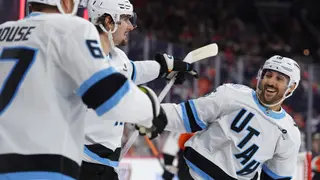
The Utah Mammoth, currently sitting at 10-6-0 and among the Western Conference's top teams, are considering strategic moves to solidify their status as serious Stanley Cup contenders. General manager Bill Armstrong has shown willingness to make bold trades, including acquiring Vincent Trocheck, and remains active in pursuit of elite talent, with speculation linking him to goalies like Connor Hellebuyck. Despite strong faith in their current goaltending tandem of Sebastian Cossa and Lukáš Hrabal, analysts suggest a proven veteran netminder could be the final piece needed to break through at the highest level.
The Utah Mammoth, currently holding a 10-6-0 record in the 2026–27 NHL season, are emerging as serious Western Conference contenders, sitting just behind Edmonton and Minnesota in conference standings. General manager Bill Armstrong has already made a high-profile move by acquiring veteran center Vincent Trocheck from the New York Rangers during the summer, signaling an aggressive approach to building a playoff-caliber roster. Despite this, analysts and insiders suggest that further upgrades—particularly in goaltending or defensive depth—are needed to elevate the team into elite Stanley Cup contention. Armstrong has been linked to star goalie Connor Hellebuyck, though the Devils secured him before the trade window closed. The current goaltending tandem of Sebastian Cossa and Lukáš Hrabal remains the team’s core belief, with backup Patrik Vejmelka serving as a transitional bridge. However, Cole Bagley of KSL Sports noted that while goaltending upgrades are logical, the Mammoth may prioritize defensive depth due to perceived gaps in their blue line, especially given their strong offensive production. The team’s immediate goal is playoff qualification, not necessarily a Cup run, which shapes their strategic patience.
The Mammoth’s pursuit of elite talent reflects broader NHL trends where teams balance short-term competitiveness with long-term development. Their focus on defensive depth over goaltending may signal confidence in their current netminders but could also indicate a structural weakness that impacts playoff performance—where depth often separates contenders from pretenders. A comparable case is the 2016–17 Toronto Maple Leafs, who invested heavily in offense while neglecting defense, ultimately failing to advance past the first round despite high-scoring talent. If Utah prioritizes defensive upgrades, it could strengthen their postseason resilience and influence how other teams approach roster construction in the Western Conference. The market for veteran defensemen or proven netminders may shift if the Mammoth make a move, affecting trade dynamics across the league. What remains uncertain is whether Armstrong will prioritize immediate playoff success over long-term development, especiall