Byron Baffled by Engine Failure That Ends Darlington Day Early
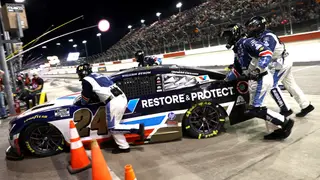
William Byron's race at Darlington came to an abrupt end when his engine blew, forcing a DNF. The failure was a major setback for his championship hopes, and Byron was left puzzled by the sudden mechanical issue.
The abrupt end to William Byron’s race at Darlington underscores the fragile nature of NASCAR competition, where a single mechanical failure can erase a strong run and reshape the championship picture. Engine blowups remain among the most unpredictable and costly setbacks in the sport, often occurring without warning and leaving drivers and crews scrambling for answers. For Byron, the sudden loss of power not only ended his day early but also dealt a significant blow to his title aspirations, as every points-paying finish carries weight in the playoff race. Such incidents highlight how much of a season can hinge on reliability as much as speed, with teams constantly balancing performance against durability.
This story may resonate most with NASCAR fans, fantasy league participants, and team sponsors, who all track driver momentum closely. A mid-race engine failure could shift playoff standings and alter betting odds, affecting fan engagement and commercial narratives. For the broader public, it serves as a reminder of motorsport’s inherent unpredictability, where human skill and machine reliability collide. The incident may also prompt discussions about engine durability standards, though no specific cause is known. Ultimately, its societal impact is limited to the racing community, but it could influence how viewers perceive the sport’s drama and fairness.