Indiana Coach Corrects Headset Rumor from Title Game, Says Issue Occurred Earlier
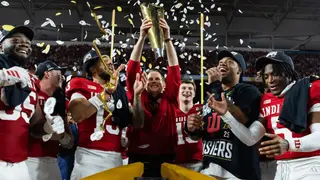
Indiana coach Curt Cignetti clarified that the temporary loss of communication during the national championship happened on Miami's second-to-last offensive series, not the final drive. He said the headsets went out when President Trump left around the seven-minute mark, but they returned after Miami's touchdown. Cignetti dismissed the social media rumor as false.
Cignetti’s clarification pinpoints the disruption to Miami’s penultimate drive, not the final possession. The headset failure occurred after President Trump departed with roughly seven minutes remaining, affecting only two or three defensive plays for Indiana. The touchdown pass to Malachi Toney at 6:37 came during that window, and communication was restored immediately afterward. Cignetti emphasized that both teams had clear audio for the remainder of the game, directly contradicting the viral claim that Miami’s last offensive series was compromised. He attributed the rumor to misinformation spreading on social media, calling it “BS” without further elaboration.
The incident stems from Secret Service protocol, as revealed by Texas coach Steve Sarkisian, which halts in-stadium communications during presidential movement. This practice applies to all teams, not just those in the championship, and is a standard security measure. Cignetti’s correction underscores how quickly unverified details can distort game narratives, especially in high-stakes matchups with political figures present.
This clarification may help temper fan speculation and conspiracy theories around officiating or technical interference in championship games. By correcting the timeline, Cignetti provides a factual anchor that could reduce distrust in game integrity, though it may also highlight how security protocols can briefly disrupt team operations. Coaches, players, and broadcasters could benefit from clearer communication about such procedures, while fans may gain a more accurate understanding of how presidential visits affect live sports. The episode also illustrates the broader challenge of separating verified events from viral misinformation in sports discourse.