Red Wings GM Horcoff Cites Challenges in Dylan Larkin Trade Amid Growing Pressure
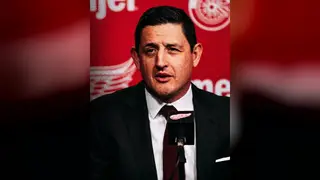
Shawn Horcoff, interim GM of the Detroit Red Wings, acknowledged the complexity of trading Dylan Larkin, citing salary demands and limited suitable returns. Despite interest from multiple teams, including Washington and Utah, no recent talks have materialized. The Red Wings remain committed to securing a deal that benefits the franchise, even as Larkin refuses to play until a trade is finalized.
Shawn Horcoff, interim general manager of the Detroit Red Wings, confirmed on October 29, 2026, that trading forward Dylan Larkin remains a complex and ongoing challenge despite growing pressure. Larkin, 30, is under contract through the 2030–31 season with an $8.7 million annual cap hit and holds a full no-trade clause, limiting his potential destinations to a short list of teams he has approved. The Red Wings suspended him without pay after he refused to play, citing his desire for a trade. Horcoff stated that while multiple teams—including Washington and Utah—have been considered, there have been no recent negotiations with either franchise, according to ESPN’s Emily Kaplan. Despite this, the Red Wings are exploring options involving the Protas brothers (Aliaksei and Ilya) from the Capitals, though it remains uncertain whether Washington is willing to move them. Minnesota has reportedly made the most offers so far, per The Athletic’s Pierre LeBrun, but Horcoff insists he will not settle for a subpar return. Larkin is currently losing $41,237.11 per day he sits out, adding financial urgency to the situation.
The Red Wings’ strategy reflects a broader organizational stance: prioritize long-term sustainability over short-term fixes. Horcoff emphasized openness to any return that includes immediate contributors and future assets, signaling a focus on rebuilding rather than quick wins. The team’s reluctance to rush a deal underscores the difficulty of matching Larkin’s high sa
The standoff between Larkin and the Red Wings highlights the growing tension in modern NHL front offices between player autonomy and organizational stability. With players increasingly asserting control over their careers through no-trade clauses and public demands, teams face new challenges in managing high-profile assets without alienating key personnel. This situation could influence how future contracts are structured, potentially leading to more flexible trade terms or revised clause language across the league. The Red Wings’ handling of Larkin may also set a precedent for how franchises balance player rights with long-term planning—especially when dealing with aging stars whose value diminishes over time. A comparable case is the 2017 trade of Rick Nash from Columbus to New York, where personal demands and contract structure complicated negotiations. Here, the Red Wings’ patience may pay off if they secure a high-value return, but prolonged inaction could erode team morale and fa