Red Wings GM Horcoff Confirms Surge in Trade Interest After Larkin Suspension
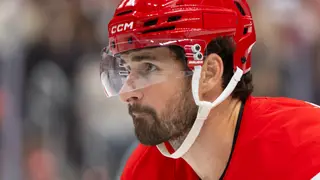
Interim Detroit Red Wings GM Shawn Horcoff revealed that his phone has been ringing frequently as teams express interest in acquiring Dylan Larkin following the player’s suspension and trade request. Horcoff emphasized ongoing efforts to find a solution that respects both Larkin’s wishes and organizational responsibilities. The situation underscores the growing urgency for a resolution amid team turmoil and leadership challenges.
On October 29, 2026, interim Detroit Red Wings general manager Shawn Horcoff confirmed that the team has seen a surge in trade interest following the suspension of forward Dylan Larkin, who failed to attend a practice ahead of a game against the Chicago Blackhawks. Larkin had previously requested a trade during the summer and reportedly expanded his list of acceptable destinations to ten teams. His agent, Pat Brisson, formally notified the Red Wings that Larkin would no longer participate in team activities, prompting Horcoff to address the media. The situation marks a pivotal moment in a season already marked by internal turmoil, as Horcoff emphasized the team’s efforts to balance Larkin’s personal wishes with organizational responsibilities to players, staff, fans, and long-term stability. Despite the disruption, Horcoff praised the team’s leadership group for maintaining composure and focus amid adversity. The Red Wings are seeking a trade that delivers immediate impact while also supporting long-term rebuilding goals, though they remain cautious about accepting offers that don’t reflect Larkin’s value as a skilled player on a favorable contract.
The broader context includes prior reports that Larkin had been vocal about his desire to leave Detroit, with the team having previously shown commitment by retaining him through recent negotiations. Horcoff has been in active communication with Larkin’s agency, CAA, and has fielded calls from multiple NHL teams interested in a
The situation with Dylan Larkin and the Red Wings could have ripple effects on NHL team chemistry, player-agent relations, and front-office decision-making. When a high-profile player demands a trade and is suspended, it challenges the balance between individual agency and organizational cohesion—potentially setting a precedent for how teams manage disgruntled stars without destabilizing locker-room culture. The Red Wings’ handling of the crisis may be scrutinized as a case study in managing internal conflict while preserving team performance. Comparable to the 2017 trade of Rick Nash from the Blue Jackets, where player dissatisfaction led to a high-profile exit and long-term rebuilding, this scenario could signal a broader trend of players asserting control over their careers amid evolving expectations. The NHL may see increased scrutiny on how teams respond to such demands, particularly when they involve leadership figures. What’s next could include more trade requests from other pla