UCLA quarterback Nico Iamaleava to return for final season after ACL injury
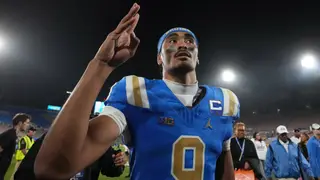
UCLA quarterback Nico Iamaleava has decided to postpone his NFL entry and return to school for the 2027 season. The decision comes after he suffered a torn ACL during a game against Oregon on October 10, cutting short his 2026 campaign. His agent confirmed the choice, signaling a focus on recovery and team leadership.
UCLA quarterback Nico Iamaleava has announced he will return to the university for the 2027 season, delaying his entry into the NFL draft after suffering a torn ACL during a game against Oregon on October 10, 2026. The injury ended his 2026 college football campaign prematurely, but Iamaleava has chosen to use the extra year to focus on recovery and leadership within the team. His agent confirmed the decision, underscoring the quarterback’s commitment to completing his collegiate career despite the physical setback. This move marks a significant moment in the evolving landscape of college sports, where athletes increasingly weigh professional prospects against personal development and team impact.
The decision reflects broader trends in the NCAA’s Name, Image, and Likeness (NIL) era and the transfer portal’s influence on player mobility. While many athletes opt to enter the NFL draft after one or two seasons, Iamaleava’s choice to return suggests a growing emphasis on long-term personal goals over immediate financial gain. His presence could strengthen UCLA’s quarterback position heading into 2027, potentially improving team performance and boosting NIL opportunities for himself and teammates through increased visibility. The agent’s confirmation adds institutional weight to the decision, indicating that professional representation supports this path.
What remains uncertain is how Iamaleava’s recovery progress will affect his on-field readiness by fall 2027, or whether he w
Iamaleava’s decision could signal a shift in how elite college athletes perceive their futures, balancing immediate professional opportunities with long-term development. In an era where NIL deals and transfer portal mobility have empowered players to act independently, his choice to stay may influence others to prioritize health, team cohesion, and personal branding over early draft entry. This could affect recruiting dynamics, as programs may attract athletes seeking stability and leadership roles rather than quick exits. Comparable to the 2016 case of Deshaun Watson, who stayed at Clemson despite NFL buzz, Iamaleava’s path may reflect a growing trend where players use their final season not just for performance but for legacy-building. The ripple effects could include more nuanced NIL negotiations and greater emphasis on player wellness in athletic departments. What to watch for is whether other injured stars follow suit, potentially reshaping how colleges and agents frame career p