Missouri RB Ahmad Hardy set for season debut after gunshot recovery
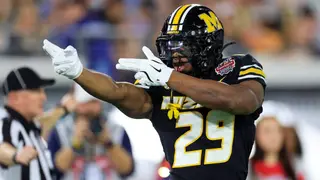
Missouri running back Ahmad Hardy is scheduled to return to action against Arkansas following a lengthy recovery from a leg injury sustained in an offseason shooting. Coach Eli Drinkwitz confirmed his return to practice and readiness for game action. His comeback marks a significant moment for the Tigers’ offense as they prepare for a key conference matchup.
Missouri running back Ahmad Hardy is set to make his season debut in a key conference matchup against Arkansas, marking a significant return after recovering from a leg injury sustained during an offseason shooting. Coach Eli Drinkwitz confirmed that Hardy has fully returned to practice and is medically cleared for game action. The injury occurred prior to the start of the college football season, sidelining the player for an extended period and raising concerns about his availability for the Tigers’ critical games. His return is expected to bolster Missouri’s offensive capabilities, particularly in a high-stakes rivalry contest that carries weight within the Southeastern Conference (SEC) landscape.
Hardy’s recovery from a gunshot wound represents both a personal triumph and a pivotal moment for the team’s morale. As a key contributor to the running game, his presence could shift the balance of power in Missouri’s offense, especially against a tough Arkansas defense. Coach Drinkwitz’s public confirmation underscores the coaching staff’s confidence in Hardy’s readiness, suggesting that medical evaluations and rehabilitation protocols have been successful. The Tigers’ preparation for this matchup now includes integrating Hardy into offensive schemes, which may influence play-calling and team strategy in the coming weeks.
The broader implications of Hardy’s return extend beyond the field. His comeback story highlights the resilience required in collegiate athletics, where play
Ahmad Hardy’s return could influence how college football programs approach athlete recovery from traumatic injuries, particularly those involving violence. His story may amplify conversations around mental health support and long-term care for student-athletes who endure life-altering incidents. If widely covered, it may encourage other institutions to emphasize transparency in injury reporting and rehabilitation timelines. The broader impact could extend to fan engagement, as stories of resilience often resonate emotionally and may boost team loyalty or media interest. A comparable case is that of University of Miami quarterback D’Eriq King, who returned after a serious off-field injury, drawing national attention to athlete recovery narratives. Hardy’s situation may follow a similar trajectory—becoming a symbol of perseverance within the sport. However, whether this leads to systemic changes in how schools handle trauma-related absences remains uncertain. What to watch for next is