Alabama removes defensive back Dre Kirkpatrick Jr. following arrest on harassment charges
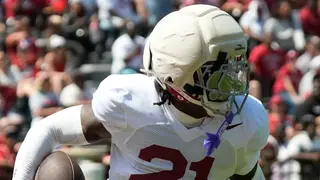
Alabama head coach Kalen DeBoer announced that defensive back Dre Kirkpatrick Jr. has been removed from the team roster after being arrested on October 23 for doxing and harassing communications. The suspension came just before the Crimson Tide's game against Texas A&M, cutting short his season. The incident marks a significant setback for both the player and the program amid ongoing scrutiny over athlete conduct.
Defensive back Dre Kirkpatrick Jr. was removed from the Alabama Crimson Tide football roster on October 23 after being arrested on charges related to doxing and harassing communications. The incident occurred just prior to Alabama’s scheduled game against Texas A&M, resulting in the abrupt end of his season. Head coach Kalen DeBoer confirmed the decision, underscoring the program’s stance on athlete conduct. While specific details about the nature of the harassment or the identity of the targeted individual are not included in the summary, the charges involve online misconduct that led to immediate disciplinary action by the team. The timing—just before a high-profile matchup—amplifies the significance of the move, highlighting how institutional responses to off-field behavior can intersect with competitive schedules.
This incident reflects broader scrutiny on collegiate athletes’ conduct, particularly regarding digital behavior and accountability. While no prior incidents involving Kirkpatrick Jr. are mentioned in the provided material, the swift removal suggests that Alabama’s coaching staff and athletic department have adopted a zero-tolerance approach to harassment, especially when it involves online platforms. The decision may signal a shift toward stricter enforcement of codes of conduct, particularly in light of increased public awareness around cyberbullying and doxing. The involvement of head coach Kalen DeBoer positions him as a key figure in shaping the program’s
The removal of Dre Kirkpatrick Jr. underscores growing societal concern over digital harassment and the accountability of public figures, including student-athletes. As college sports remain a high-profile platform, such incidents may influence how institutions manage reputational risk and enforce behavioral standards. The case could prompt other programs to reevaluate their policies on online conduct, especially given the increasing visibility of social media in athlete behavior. While not all cases result in public suspensions, this incident may set a precedent for stricter enforcement, particularly when harassment involves doxing—where personal information is shared maliciously. A comparable earlier case is that of former University of Miami football player Michael Irvin Jr., whose 2021 suspension over social media posts drew national attention and sparked debate about free speech versus institutional authority. Like Kirkpatrick Jr.’s situation, it highlighted the tension between i