Clemson Offensive Lineman Hospitalized After Serious Injury in FSU Game
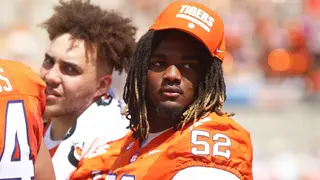
Clemson offensive lineman Elyjah Thurman was taken off the field on a backboard during Saturday’s game against Florida State after sustaining a significant injury. He was transported to Tallahassee Memorial Hospital for evaluation and will remain hospitalized overnight. Players from both teams gathered around him, showing concern as he was stretchered off the field.
Clemson offensive lineman Elyjah Thurman was hospitalized after sustaining a serious injury during the Tigers’ game against Florida State on Saturday in Tallahassee. He was removed from the field on a backboard and transported to Tallahassee Memorial Hospital for evaluation, where he will remain overnight. The incident occurred during the course of the college football matchup, with players from both teams visibly concerned as Thurman was stretchered off the field. No further details about the nature or severity of his injury have been released, nor has there been confirmation on whether he will require surgery or extended recovery time.
The event underscores the physical risks inherent in collegiate football, particularly at the offensive line position where players are frequently exposed to high-impact collisions. As a key member of Clemson’s offensive unit, Thurman’s absence could affect the team’s performance in upcoming games, though no immediate updates on his status or return timeline have been provided by the program. The incident has drawn attention from fans, media, and the broader college sports community, highlighting ongoing concerns about player safety and injury protocols in high-level collegiate athletics.
The individuals involved include Thurman himself, the Clemson football team, Florida State players and coaching staff, medical personnel at Tallahassee Memorial Hospital, and the NCAA, which oversees player health and safety standards. While no officia
The incident involving Elyjah Thurman could amplify ongoing public discourse about athlete safety in college football, particularly at the offensive line where collisions are frequent and often severe. Fans, alumni, and sports analysts may increasingly question the balance between competitive intensity and player well-being, potentially influencing how programs approach training, equipment use, and game-day medical protocols. The emotional response from players on both teams also reflects a growing cultural emphasis on athlete care, which could pressure institutions to prioritize health over performance in high-stakes environments. A comparable case is the 2018 injury to University of Michigan linebacker Devin Bush Jr., whose season-ending concussion sparked widespread debate about head trauma and medical oversight in college sports. While Thurman’s injury is not yet confirmed as a head or spinal issue, the public reaction may mirror past patterns—increased media attention, calls fo