Clemson Offensive Lineman Discharged After Hospital Stay Following Helmet Hit
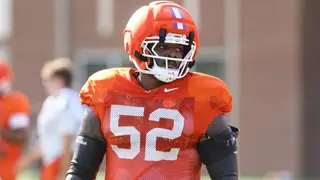
Clemson offensive lineman Elyjah Thurmon was released from the hospital after an overnight stay following a hard hit to the helmet during a game against Florida State. Medical staff attended to him on the field for several minutes before he was transported for evaluation. The team confirmed his release, though details about his condition remain limited.
Clemson offensive lineman Elyjah Thurmon was hospitalized overnight after sustaining a hard hit to the helmet during a game against Florida State. Medical personnel attended to him on the field for several minutes before he was transported for further evaluation. The team confirmed his release from the hospital, though specific details about his condition have not been disclosed. No further information is available regarding the exact nature of the injury, the duration of his hospital stay, or whether he will be cleared to play in future games. The incident occurred during a college football contest, highlighting ongoing concerns about player safety in high-impact sports.
The broader context involves increasing scrutiny on how collegiate athletic programs manage head injuries and athlete welfare, particularly following heightened awareness around concussions and long-term neurological risks. While no prior incidents involving Thurmon are mentioned, the situation reflects a larger conversation within college sports about sideline protocols and the balance between competitive intensity and player health. Clemson’s decision to release information only about his hospitalization and discharge—without detailing medical findings—aligns with standard practices when sensitive health data is involved.
The primary organizations involved are Clemson University’s athletic department, the medical staff on site during the game, and the NCAA, which oversees safety regulations in collegiate
This incident underscores the persistent risks associated with college football, where high-impact collisions remain a defining feature of the sport. Athletes like Thurmon are central to team performance, yet their health is vulnerable to acute trauma that may have lasting consequences. The public’s attention on such events can amplify pressure on institutions to improve safety measures and transparency in injury reporting. While no immediate financial or institutional fallout is evident, this case could contribute to broader discussions about concussion protocols and the long-term health of players. A comparable earlier case is the 2015 incident involving University of Wisconsin linebacker Chris Borland, who retired due to concerns over brain injuries—a decision that sparked national debate on player safety in football. Thurmon’s situation may similarly influence how schools approach injury management and athlete welfare, particularly as awareness grows. What to watch for next includ