Der Klassiker turns poignant as rivals unite in support of grieving Bayern star Kimmich
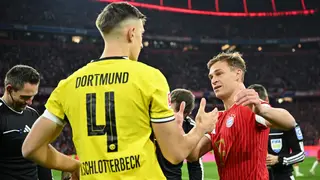
Joshua Kimmich returned to the starting lineup for Bayern Munich in a emotionally charged Der Klassiker match following the recent death of his father. The game, contested in the shadow of personal tragedy, saw both teams show solidarity, with Borussia Dortmund’s Niko Kovač offering a heartfelt gesture during halftime and players later expressing condolences. The moment underscored the deep camaraderie within German football, even amid fierce competition.
On November 1, 2026, Joshua Kimmich returned to Bayern Munich’s starting lineup for the Bundesliga Matchday 8 Der Klassiker against Borussia Dortmund at the Allianz Arena, marking his first appearance since the passing of his father, Berthold, at age 57. Kimmich had missed the previous three games on compassionate leave, and his return was deeply emotional amid a high-stakes title race for the 2026/27 season. During the first half, Dortmund’s head coach Niko Kovač—himself a former Bayern manager and someone who knew Kimmich well—offered a quiet but meaningful gesture by placing an arm around him during a stoppage, a moment Kimmich later described as “very, very special.” The solidarity extended beyond the pitch: after the match ended in a 2-2 draw, with Fabio Silva scoring Dortmund’s late equalizer, Dortmund players, led by defender Nico Schlotterbeck, approached Kimmich to offer condolences. This display of empathy highlighted the deep personal bonds that exist across Germany’s fiercest football rivalry, even as teams compete for supremacy. Kimmich, reflecting on his father’s unwavering support throughout his career, said he was grateful to be back on the pitch, calling it a way to “restore a semblance of normality” amid profound grief.
The broader context includes Kimmich’s long-standing role in both club and international football—his presence at the international level for several Dortmund players underscores the shared professional network that transcends club allegianc
The emotional display at the Allianz Arena could reinforce broader societal narratives around mental health in elite sports, showing that personal grief and professional duty can coexist with mutual respect across rivalries. This moment may influence how clubs handle player bereavement, potentially leading to more formalized support systems or compassionate leave policies that balance performance with well-being. The gesture by Kovač and Dortmund’s players—especially Schlotterbeck—may serve as a model for future inter-team solidarity during personal crises, possibly inspiring similar actions in other leagues where rivalries are intense but personal connections remain strong. A comparable precedent is the 2014 World Cup when German players honored the late footballer Andreas Brehme with a moment of silence, demonstrating how sport can unify in mourning. The long-term impact may be seen not just in player welfare policies but in how fans perceive the human side of athletes. What to watch