FSU Dismisses Defensive Coordinator Amid Coaching Shake-Up
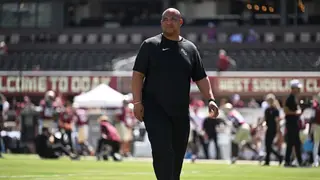
Florida State has fired defensive coordinator Tony White, marking another step in a broader restructuring of the football program following the dismissal of head coach Mike Norvell. White, a two-time Broyles Award nominee, had overseen four top-25 defenses in six seasons. His departure underscores the depth of changes underway in Tallahassee.
Florida State University has dismissed defensive coordinator Tony White, marking a significant move in the ongoing overhaul of its football program following the departure of head coach Mike Norvell. White, a two-time Broyles Award nominee, had been responsible for four top-25 defenses over six seasons, a record that underscores his effectiveness despite the recent changes. His firing is part of a broader restructuring effort within the Seminoles’ coaching staff, signaling a shift in direction after Norvell’s exit. The exact timing and circumstances surrounding White’s dismissal are not detailed in the available information, but it is clear that the decision fits within a larger pattern of leadership turnover at the program level.
The context for this change lies in the recent departure of head coach Mike Norvell, whose tenure ended amid questions about the team’s performance and long-term strategy. The firing of White suggests that the university is pursuing a comprehensive reevaluation of its defensive philosophy and personnel, possibly to align with new coaching visions or recruit higher-profile talent. As a key figure in shaping the defense, White’s removal reflects a broader institutional decision to reset the program’s identity. The specific goals of Florida State’s athletic leadership remain unspecified, but the move indicates a desire for transformation beyond individual coaching roles.
What remains uncertain is whether this change will lead to a new defensive coord
The dismissal of Tony White could signal a deeper cultural shift within Florida State’s football program, potentially affecting player recruitment, fan engagement, and institutional stability. High-profile coaching changes often trigger ripple effects across college sports, influencing where athletes choose to commit and how media coverage shapes public perception of a program’s trajectory. The fact that White was a two-time Broyles Award nominee adds weight to the move, suggesting that even proven success may not be enough to retain leadership in times of organizational upheaval. This situation echoes earlier cases like the 2015 overhaul at Alabama under Nick Saban, where multiple coordinators were replaced during a transition period. While Florida State’s current shift is less dramatic in scale, it reflects a growing trend among Power Five programs to prioritize rapid change when performance stagnates or leadership transitions occur. The broader college football ecosystem may respon