Florida State to Pay $51 Million Buyout After Firing Mike Norvell
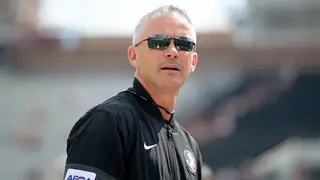
Florida State will owe former head coach Mike Norvell approximately $51 million in severance, the third-highest buyout in college football history. The figure ranks behind only Jimbo Fisher’s $76.8 million and Brian Kelly’s $53.2 million. Norvell had signed an eight-year extension through 2031 before his abrupt departure after a disappointing season.
Florida State University will pay former head football coach Mike Norvell a $51 million severance package following his termination after a disappointing season, marking the third-largest buyout in college football history. The figure places it behind only Jimbo Fisher’s $76.8 million and Brian Kelly’s $53.2 million. Norvell had signed an eight-year contract extension in 2021, which was set to run through 2031, making his departure after just a few seasons particularly costly for the program. The abrupt end to his tenure underscores the high financial stakes involved in college football coaching transitions, especially when contracts are extended well into the future.
The decision to fire Norvell came after a season that failed to meet expectations, though specific performance metrics or win-loss records are not detailed in the available information. His contract extension, signed before the recent downturn, reflects the long-term commitments schools often make in hopes of sustained success. The financial burden of such buyouts may influence future hiring decisions across college football, potentially making athletic departments more cautious about signing extended deals with coaches.
The primary parties involved are Florida State University, as the employer and payer of the severance, and Mike Norvell, whose departure was sudden despite his long-term contract. The university’s board and administration likely weighed performance against financial obligations, while Norv
The $51 million buyout underscores how financial commitments in college sports can outpace on-field results, potentially affecting institutional budgets and athletic department priorities. Florida State’s decision may signal a shift toward more cautious long-term hiring, as schools weigh the risks of massive exit payments against performance gains. This case could influence how other programs structure future contracts, possibly leading to shorter deals or more performance-linked incentives. Comparable to past high-profile exits like Jimbo Fisher’s departure from Florida State to Texas A&M, such large payouts may become a recurring feature in college football, especially at power-conference schools where coaching talent is highly competitive. The financial burden could pressure athletic departments to prioritize fiscal responsibility over immediate success, possibly affecting recruiting and program stability. What to watch for next is whether other schools begin including buyout cap