Edmonton Oilers' Early Success Doesn't Fully Convincing Fans of Babcock's Coaching Impact
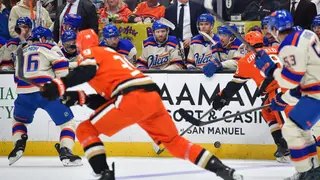
Despite a strong 11-3-3 start to the season, Oilers fans remain cautious about head coach Mike Babcock, noting that his true leadership style hasn't been tested during adversity. The team has overcome multiple injuries and maintained high performance, but skeptics argue that real challenges—like offensive slumps or defensive lapses—have yet to emerge. When those trials come, they’ll reveal whether Babcock can maintain cohesion and results under pressure.
The Edmonton Oilers began the 2026–27 NHL season with an 11-3-3 record through November 6, marking one of their strongest starts in recent memory despite significant injuries to key players. Head coach Mike Babcock, hired in the offseason after a controversial tenure with teams like the Detroit Red Wings and Toronto Maple Leafs, has been credited with instilling discipline and cohesion early on. Fans initially skeptical of his appointment have softened, noting his positive media presence and apparent ability to unify a roster that includes stars like Connor McDavid and Leon Draisaitl. However, this optimism remains cautious, as the team has yet to face sustained adversity—such as prolonged scoring droughts, defensive breakdowns, or goaltending struggles—that could test Babcock’s leadership under pressure. The broader context is shaped by Babcock’s past reputation for clashing with players and management, which ultimately led to his departure from previous roles. Now, with this being seen as a potential final opportunity to rebuild his legacy, the Oilers’ front office likely hopes he can deliver sustained success while maintaining team harmony. What remains unresolved is whether Babcock can maintain his current approach when results dip—especially if player trust begins to erode during a losing streak or internal conflict arises.
The story reflects broader societal skepticism toward second chances in high-stakes leadership roles, particularly in sports where public perception often hinges on performance under pressure. Fans and analysts alike are watching closely not just for wins, but for how leaders like Babcock manage crises—mirroring wider cultural expectations of accountability and transformation in professional environments. If the Oilers falter during a mid-season slump, it could reignite debates about whether past misconduct can truly be overcome, potentially affecting how organizations evaluate coaching hires moving forward. A comparable precedent is the 2014–15 Toronto Raptors’ hiring of Dwane Casey, whose early success was later overshadowed by internal tensions and playoff failures, leading to a reevaluation of his long-term fit. In this case, the Oilers’ situation may influence how franchises balance short-term results with long-term cultural change. What’s next could include a shift in fan sentime