Interim GM Shawn Horcoff Faces Pressure Amid Larkin Trade Drama
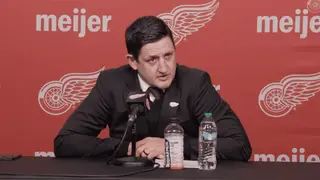
Shawn Horcoff, newly appointed interim general manager of the Detroit Red Wings, is navigating intense scrutiny following Dylan Larkin's trade request and subsequent suspension. Horcoff must manage negotiations with teams on Larkin's approved trade list while operating without full autonomy, making his first NHL trade under immense pressure. The situation has drawn commentary from former players and analysts who reflect on the isolation and stress of early front-office decisions.
Shawn Horcoff, appointed interim general manager of the Detroit Red Wings in September 2026, is managing a high-stakes situation following Dylan Larkin’s trade request and subsequent suspension without pay on October 31, 2026. Larkin, who had previously requested a trade in June, announced he would sit out until dealt, prompting the Red Wings to suspend him. Horcoff confirmed that negotiations continue with teams on Larkin’s approved trade list, emphasizing the team’s effort to find a solution acceptable to both sides. This marks Horcoff’s first NHL trade as GM, occurring under intense scrutiny and without full autonomy—raising concerns about whether he can make independent decisions, particularly if final approval rests with owner Chris Ilitch. The Red Wings’ 2026-27 cap hit is projected at $78.8 million, with $29.9 million in current cap space, while their 2027-28 projection shows a significant reduction to $64.7 million and increased flexibility of $48.8 million. The team currently has 21 active players on the roster, within the 23-player limit.
Horcoff’s position is compounded by the psychological weight of early front-office decisions, drawing parallels to former GM Brian Burke’s account of his first trade—the Bobby Holik deal—where he described the isolation and anxiety of making a high-pressure call alone. The absence of a supportive front office structure, as noted by Jeff Marek, underscores the burden placed on interim leaders. While Horcoff may be acting under owne
The Larkin trade drama could reshape how NHL franchises handle player-management conflicts during transitional leadership periods. If Horcoff is unable to act decisively due to ownership constraints, it may signal a broader trend where interim GMs are given symbolic roles without real power—potentially discouraging experienced candidates from stepping in during crises. This scenario echoes the 2013 Boston Bruins controversy involving general manager Peter Chiarelli and the trade of Nathan Horton, where front-office instability led to public scrutiny and long-term organizational strain. The Red Wings’ situation may prompt other teams to reevaluate how they delegate authority during leadership changes. If Horcoff’s limited autonomy becomes public knowledge, it could fuel speculation about ownership control in hockey operations, affecting player morale and agent negotiations across the league. Fans, media, and analysts may begin to scrutinize not just trade outcomes but also the structure